
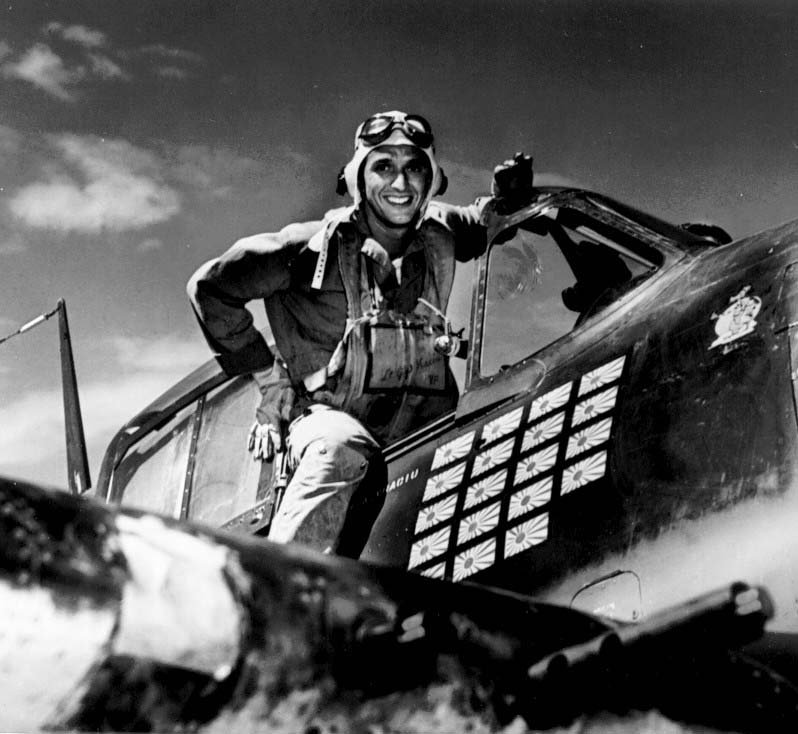
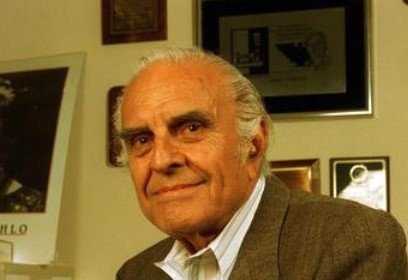
Alexander Vraciu was a United States Navy fighter ace of World War II, a Navy Cross recipient, and a Medal of Honor nominee who became one of the U.S. Navy’s most successful carrier-based aviators.
He was born on 2 November 1918 in East Chicago, Indiana, to Romanian immigrant parents, grew up in a working-class community, and developed a fascination with aviation at an early age.
Alexander Vraciu attended Washington High School and then DePauw University in Greencastle, Indiana, where he entered the Civilian Pilot Training Program, earning his private pilot’s license before joining the U.S. Navy in 1941 as an aviation cadet.
| Full Name | Alexander Vraciu |
| Gender | Male |
| Occupation | Fighter Pilot |
| Date of Birth | 02-November-1918 (96 years) |
| Birth Year | 1918 |
| Birth Location | East Chicago, Indiana, U.S. |
| Death Time | 29-January-2015 |
| Death Location | West Sacramento, California, U.S. |
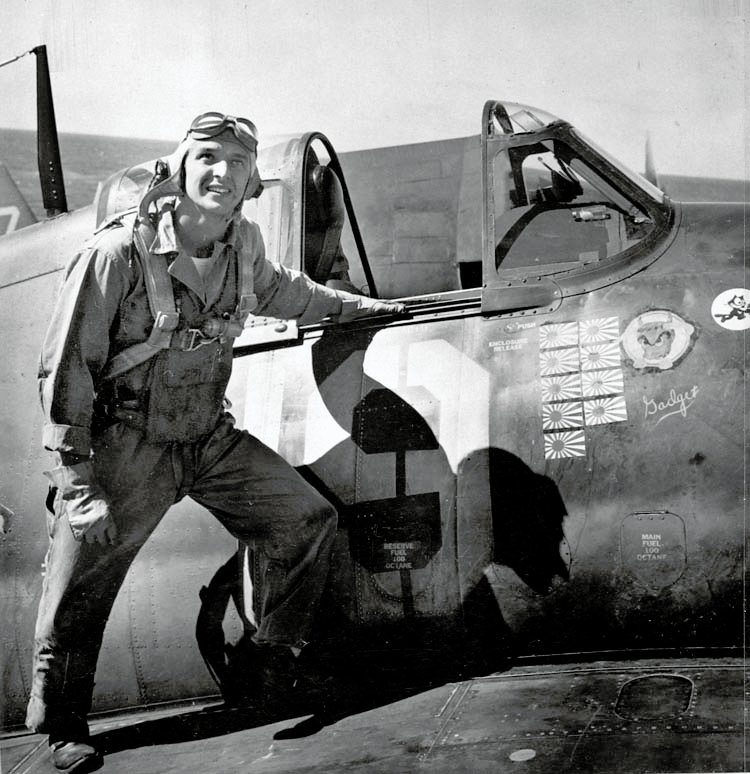
During World War II, he flew the Grumman F6F Hellcat in the Pacific Theater and quickly distinguished himself in combat. After carrier qualification on the training carrier USS Wolverine, he first served with Fighting Squadron 3 (VF-3), later redesignated VF-6, where he spent five months as wingman to Edward “Butch” O’Hare, the Navy’s first ace of the war, and scored his first aerial victory over Wake Island in October 1943.
By early 1944, he had achieved ace status, downing three Mitsubishi G4M “Betty” bombers on 29 January and four Japanese fighters over Truk Atoll on 17 February, becoming the leading ace of VF-6.
His most celebrated action occurred on 19 June 1944 during the First Battle of the Philippine Sea, the “Great Marianas Turkey Shoot,” when he shot down six Japanese dive bombers in eight minutes despite flying a Hellcat with a malfunctioning supercharger, an exploit that made him one of the Navy’s top-scoring fighter pilots.
Later in 1944, he transferred to VF-16 and then VF-20, continuing combat operations until 14 December 1944, when his Hellcat was shot down by anti-aircraft fire during a mission over the Philippines.
He bailed out over Luzon, was rescued by Filipino guerrillas, and spent about five weeks with resistance fighters who made him a brevet major, before returning to American lines and rejoining U.S. forces.
Alexander Vraciu finished the war assigned to the Naval Air Test Center at Patuxent River, Maryland, and by the end of hostilities he ranked fourth among U.S. Navy aces, officially credited with destroying 19 enemy aircraft in aerial combat and 21 more on the ground.
After the war, Alexander Vraciu remained in the Navy, serving as a test pilot, instructor, and staff officer during the transition to jet aircraft. He held posts in Washington, D.C., served as a jet training officer at Naval Air Station Los Alamitos in California, and attended the Naval Postgraduate School at Monterey.
From 1956 to 1958 he commanded Fighter Squadron 51 (VF-51), leading the unit for twenty-two months and winning the individual gunnery championship, before retiring from the Navy with the rank of commander on 31 December 1963.
In civilian life, he settled in California, working in the banking sector for Wells Fargo and remaining active in veterans’ organizations and aviation history circles.
He was widely recognized as a “triple ace” and a symbol of U.S. naval air power, receiving the Navy Cross, the Distinguished Flying Cross, Air Medals, and other decorations for his wartime service.
Alexander Vraciu died on 29 January 2015 in West Sacramento, California, at the age of 96, remembered as one of the most accomplished and resilient American fighter pilots of World War II.
Kathryn Horn
SpousePhoto Gallery



FAQ (Frequently Asked Questions)
Alexander Vraciu was 96 years old
Alexander Vraciu was born on 02-November-1918
Alexander Vraciu was born in East Chicago, Indiana, U.S.
References
- https://en.wikipedia.org/wiki/Alexander_Vraciu
Recently Added





Popular Personalities


